Pork Chops w/ Pineapple Salsa

6 Feb

I have an unabashed love of pork and make some mean bacon and tenderloin recipes. (Have a look around the site – you’re bound to find a few!) What I hadn’t attempted yet, however, was Homer Simpson’s favourite: pork chops. Love ’em, but never make ’em. So off to the interwebs I went and found some inspiration! You’re best to let these marinate for a couple of hours beforehand so that the flavours really soak into the meat, but no more than three hours. Any longer than that and the proteins will start to break down which means you’ll end up with mushy chops…and no one wants that.  As with all meat, let it come to room temperature before you cook it.

I also happened to have a pineapple kicking around that needed to be eaten, so I did up a quick pineapple salsa that I’ve also used with my go-to salmon dish and tossed in some tomatoes that we had in the fridge.

Serves 2.

Ingredients

2 pork chops, bone-in, centre cut
1  lime (juice & zest)
1/2 jalapeno, diced
1 tb honey
2 garlic cloves, sliced
1/3 c olive oil
1/2 pineapple, diced
1/2 red onion, finely diced
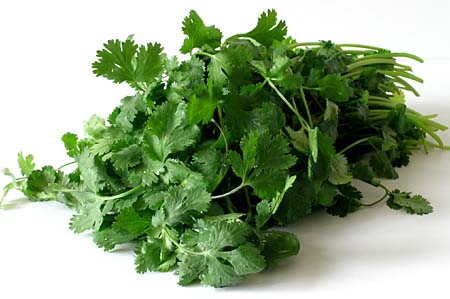
1/4 c cilantro, chopped
Kosher salt & black pepper
1 lime, juiced
1 handful cherry or grape tomatoes, halved
3 tb olive oil

Directions

1. Combine the  lime juice, zest, jalapeno, honey, garlic and 1/3 c olive oil in a resealable bag or container. Add in the pork chops and marinate in the fridge for roughly 3 hours, if possible.
2. When ready, heat a heavy-bottomed pan (cast iron is best, but use what you have) with a little bit of canola oil. Let the pan get nice and hot: you want a nice sear on the meat.
3. Remove the pork chops from the marinade and shake any excess off. Season with salt and pepper.
4. Carefully place the chops in the pan, cooking one minute per side. Lower heat and cover, cooking 5 more minutes per side.
5. Meanwhile, combine the pineapple, red onion, cilantro, lime juice, tomatoes and olive oil in a bowl. Season with salt and pepper to taste.
6. Let the pork rest on a cutting board for 10 minutes to allow the juices to be re-absorbed back into the meat. Then plate and top with the salsa.

Making Couscous a Little More Interesting…

3 Feb

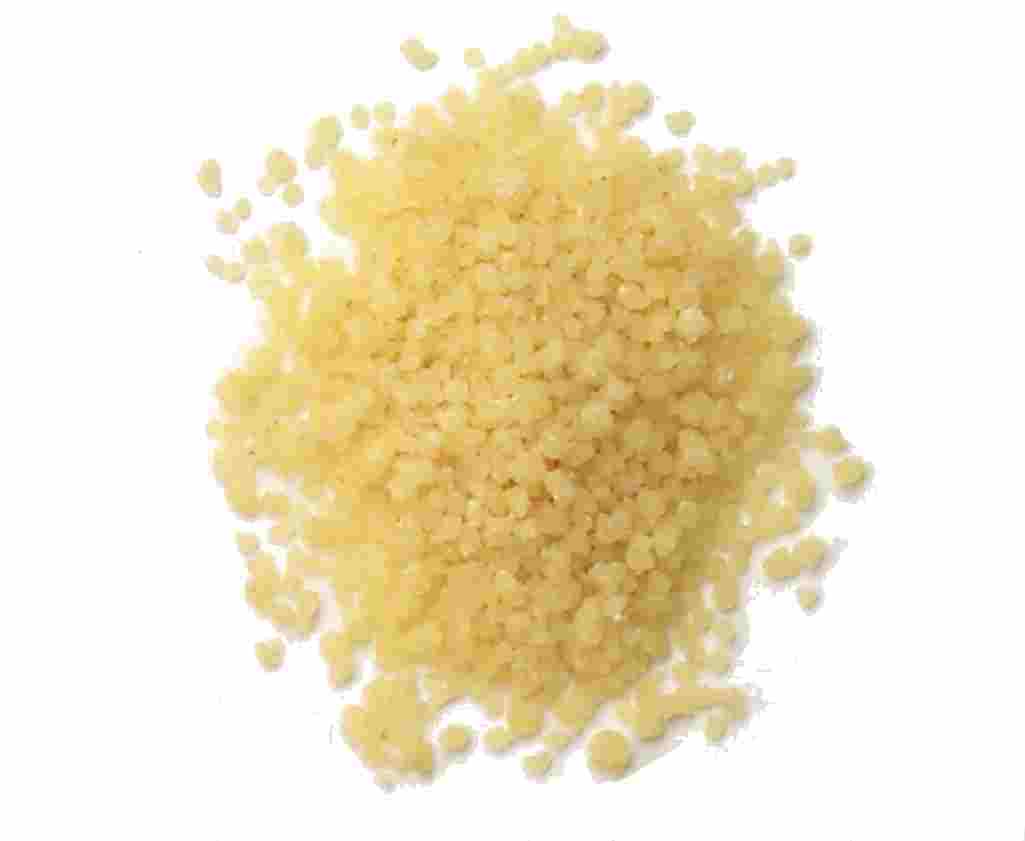
I quite like couscous for a number of reasons, but I especially love how versatile it can be and how quick it is to make. I got into a discussion with a coworker the other day about this and started coming up with different ways to cook it aside from the standard water with some salt. Here are a few options we talked about…

Cooking liquid:

  • Orange Juice
  • Apple Juice
  • Vegetable/Chicken broth

Extra goodies:

  • Chopped almonds
  • Raisins
  • Dried cranberries
  • Currants
  • Chopped apricots
  • Fresh herbs – cilantro, parsley, thyme, mint
  • Veggies – frozen/fresh peas or corn (use a little more cooking liquid and add these in with the couscous)
  • Spices – cumin, paprika, chili powder, curry powder
  • Feta cheese

Really, you can try just about anything with couscous. Like quinoa and rice, you can adapt it to fit whatever flavor profile you’d like. What do you, fine readers, do with your couscous?

What comprises the soul of a chef?

31 Jan

What elevates the every day cook into an amazing chef? Is it technical prowess? Creativity? Passion? Stubbornness? A combination of any or all of these? What drives a person to seek perfection in plate after plate and how do they maintain that focus and drive? These are the questions Michael Ruhlman seeks to answer in his book,  Soul of a Chef. This is the third book in his “Chef” series and maybe the most in depth. In his previous two books,The Making of a Chef and Reach of a Chef , Ruhlman explores the world of professional cooking, starting with enrolling in and observing students at the Culinary Institute of America and eventually speaking with established chefs. But in Soul, Ruhlman attempts to determine what qualities define a great chef and what is the road one must take to achieve greatness.

Soul begins with Ruhlman observing 10 chefs who are partaking in the Certified Master Chef’s (CMC) exam. This is a gruelling, week-long exam that tests the chefs’ technical abilities. It focuses on technique and execution and is so difficult that the pass rate is well below 50%. Ruhlman documents the rapidly changing mental health of the chefs as well as their motives for taking the test in  the first place. Some do it for a bump in pay; some for the challenge; some for the pedigree apparently associated with it. It is a controversial test in the food world, however, as it is taken by so few – and passed by even fewer – that its relevance is questionable. It assumes that the only measure of a chef is a technical one, but is that the only factor? Is it even the most important one?

The middle of the book is spent with a now-famous chef, Michael Symon. Symon has just opened Lola, helping to give Cleveland some foodie credibility. Symon is a gregarious, affable guy who clearly loves to cook and runs a loud, chaotically-organized kitchen. The appearance of his food may not be 5-star, but no matter: the flavours are outstanding. Ruhlman explores the idea of perfection in taste and experience being more important than exacting technical standards being met.

Finally, the last third of the book follows Ruhlman as he travels across the country to the Napa Valley where Thomas Keller is blowing minds and making people fall in love with his food at The French Laundry. Keller is not a professionally trained chef, but he produces some of the most technically accomplished, striking plates of any chef in the world. He cooks from the heart and his technical skill is almost unparalleled.

Ruhlman examines all three aspects of success in cooking (skill, heart and a combination thereof) and it leads him to conclude that there is no one thing that constitutes a great chef. To be truly great requires myriad factors working in harmony.  I’m a big fan of Ruhlman’s books as he delivers an honest, in-depth look at the culinary world without getting too lost in the details and without being sycophantic. I’d highly recommend picking up any of his books for a fun, interesting read!

One Pot Meal: Couscous with Sausage & Green Beans

31 Jan

You’ve just come home, you’ve had a long day at work, you’re starving and you don’t feel like putting in a ton of effort for dinner. What do you need? A one pot meal. Ready in 20 minutes, this dish has your grain, meat and veg all in one and it’s even healthy! It would be great with any kind of sausage: sweet, spicy, mild…whatever ya like!

Serves 2.

Ingredients

1 tb extra virgin olive oil
1 red onion, sliced
2 garlic cloves, minced
1 red chile, diced
2 sausages, cut into rounds/bite-sized pieces
1 1/2 c canned tomatoes (keep the liquid)
2-3 c chicken stock
6 oz green beans
1 1/4 c couscous
1 c  cilantro, chopped
2 lemon wedges

Directions

1. Heat the oil in a large pan at medium heat and add onion, garlic and sausage. Season with salt and pepper. Cook 2 – 3 minutes.
2. Add tomatoes, 2 1/2 c stock and beans. Cover, lower the heat and simmer for 5 minutes.
3. Add the couscous and cook for 10 minutes. (Add more stock if necessary.)
4. Garnish with cilantro and lemon wedges.

Spicy Sauteed Rapini w/ Pine Nuts & Raisins

25 Jan

Apparently, I’ve become a grown up. I am now voluntarily eating not just Brussels sprouts but now rapini! Traditionally not  a big fan of bitter greens, I have warmed to them in the last year so long as they are balanced with other flavours to cut through the bitterness. Cue J making Giada de Laurentiis’  sautéed rapini that has a nice kick with some chili flakes and sweetness from a handful raisins.  This side dish looked fantastic served in our colourful casserole dishes!

Serves 2.

Ingredients

2 bunches rapini, stems trimmed
3 tb olive oil
2 garlic cloves, chopped
1/2 ts red pepper flakes
1/4 c raisins
salt
2 tb pine nuts, toasted

Directions

1. Blanch the rapini by dropping it in a pot of boiling water for 1 minute, then transferring it to an ice bath. Reserve roughly 1/4 of the cooking liquid.
2.  Heat the oil in a heavy large skillet over medium heat. Add the garlic and red pepper flakes, and sauté  about 1 minute.
3. Reduce heat to medium-low and add the rapini. Toss to coat.
4. Add half the the reserved cooking water, the raisins, and cook until the rapini is heated through and the stems are tender, about 4 minutes. Season with salt, to taste.
5. Right before you’re ready to serve, add the pine nuts and toss so that all the ingredients have combined.

Broiled Sea Bass w/ Coconut Curry Sauce

23 Jan

To all my fabulous readers: if you do nothing else, make friends with a fishmonger. They will always steer you right. There happens to be a fabulous fish store not too far from where I live (Avenue Seafood) and we’ve been getting great stuff from them for years. I walked in yesterday intending to buy some halibut fillets. The matriarch of the store shook her head – almost violently: “No, you don’t want the halibut. Look at these fillets: they’re not good enough for you. What else can I offer you? I have some great cod, or maybe some sea bass? How about some sea bass? I have some beautiful fish in the back!” I have learned from experience, just go with what she says. Since I was in the mood to try something new anyway, the sea bass was just fine with me.

(A note about sea bass: try to avoid buying Chilean as they are terribly over-fished.)

I surfed around the internet for a bit for inspiration and finally hit on some Indian-flavoured dishes that served as a jumping off point. Here’s what I ended up with. You’ll need about an hour total for this as the sauce needs to reduce and thicken. It’s an incredibly simple recipe, though, that requires almost no prep work at all. Just make sure to keep an eye on your sauce so it doesn’t bubble over.

Serves 2.

Ingredients

1 tb vegetable oil
1 onion, thinly sliced
2 garlic cloves, minced
2 ts curry powder
1 13oz can coconut milk
1/2 c chicken stock (low sodium if store-bought)
2 ts salt, plus more for seasoning the fish
1 ts pepper, plus more for seasoning the fish
1 ts fish sauce
1 dash chili powder, optional
1 tb lemon juice
2 sea bass fillets

Directions

1. Heat oil in a large sauce pan over medium heat. Add the onions, garlic and curry powder. Sauté until onions are translucent, approximately 4 minutes.
2. Add in the coconut milk and chicken stock. Stir to combine and bring to a boil.
3. Add in the salt, pepper, fish sauce and chili powder. Lower heat and let the sauce simmer for 45-50 minutes, stirring occasionally.  Taste every once in a while and adjust seasoning as necessary.
4.  Add in the lemon juice at the end and stir.
5. Meanwhile, heat the broiler and place the oven rack roughly 2″ from the top.
6. Line a sheet with foil and place the fish on top. Season with salt and pepper and cook for 8 minutes, until the fish is opaque.
7. Plate the fish and generously spoon the sauce over the top.  Best served with over rice to absorb the extra sauce.

This slideshow requires JavaScript.

Death Row Meals Supper Club: Taco Madness!

16 Jan

Two hours.  Six creative, delicious tacos. Six alcohol pairings. One most excellent afternoon.

Created by the fine folks at Living. Loving.Local, Death Row Meals Supper Club brings together great chefs  in our fair city to produce their version of a particular dish. This month was hosted at Milagro Cantina, where the chefs crafted their own versions of a taco, showcasing their considerable talent and creativity.

We settled in about 15 minutes before the event was to begin and there was already a great buzz in the room. Upon signing up for it, no one knew exactly what theyd be feasting on and the anticipation was palpable. We sat at long tables, chatting with those we’d come with and those we had just met while wonderful smells wafted forth from the kitchen. Everyone curiously perused the score sheet we were given that listed all the tacos we would be sampling, as well as spots to score the tacos on taste, originality and presentation. There was also a spot reserved for a bonus point should we feel the desire to award it.

After a quick welcome from the host, out came the first round! Large plates of Rossy Earle’s gorgeous braised & pulled chipotle-smoked duck topped with chayote & tomato pickled slaw, culantro lime cream and duck skin chicharrons on top of green plantain tortilla tacos arrived in front of us. One bite in and the 60 or so people in attendance went quiet and a simultaneous, “mmmmmmmmmmmmmm” could be heard. What a fabulous way to start off this competition! Not only did this taco look great, the combination of flavours and textures hit all the right notes.

Next up was Steve Gonzalez’ grilled adobo pork with tomatillo and corn relish, roasted garlic and lime crema on top of a  refried bean tortilla.  While the idea of the refried bean tortilla seemed fabulous – it was certainly something we’d never seen – it did make it a little tough to eat the taco itself.  The tortilla didn’t hold together all that well and many of us found ourselves trying to trying to eat the tender pork medallions while holding everything together with our fingers. The pork did go nicely with the cold Corona, though.

Third on the docket was one that most of us were really looking forward to from the description: braised beef cheek and smoked beef tongue taco with avocado crema, pickled red onion, cilantro, and duo of house smoked hot sauces. Yes, please! The cheek was melt-in-your-mouth good and the smokiness of the two hot sauces came through loud and clear. This was messy deliciousness, folks. Chef Tom Davis did a nice job on this one and it paired beautifully with the Trapiche wine served. Definitely one of our faves.

On to the fourth – and to the dreaded tequila! (Tequila and I used to be amigos. Now, we are civil at best.) Charlies Burgers put forth their offering of a carne asada taco using smoked and grilled marinated kobe knuckle, fresh flour tortillas, salsa taquera garnished with grilled scallions.  This particular taco got mixed reviews at our table. It seemed that some diners got a nice, tender piece of meat while others had pieces that were chewy and tough to bite through. That’s a real shame considering the calibre of chef and how much others were enjoying theirs.

Chattering away with my table mates, I looked up to see that taco number five, created by Nick Liu, was arriving on those giant platters, along with some Steamwhistle. The platters were lowered on to the table and we all “oohed” and “aahhhed.” Ten perfectly round jicama “tortillas” with crispy octopus, smoked paprika caponata, chorizo bacon, spicy tomato aioli were gazed upon with nothing less than awe. We all dove – we were past politeness now – to grab one. The taco’s crunchy, crispy textures were an unexpected delight. The octopus was perfectly cooked and the hot sauce, while not tongue-searing, provided some nice spice. Pencils scribbled furiously when this one was finished up.

Finally, Arturo Anhalt delivered a taco de longaniza (a spicy stret style chorizo) en salsa verder, with onion and nopales (cactus). This particular taco definitely had the most depth of flavour, almost like eating a rich chili. It reminded me a bit of a molé: lots of rich flavour with notes of heat, citrus and chocolate. I also quite enjoyed the tortilla which had a great char on it. This was probably the most technically accomplished taco of the afternoon and felt like the chef was quite comfortable making it: like he’d been eating it all his life.

At the end of the day, most of us agreed that the octopus and duck tacos were our favourites. (In fact, during the post mortem with my dining companions, we decided the ultimate taco would be a combination…a “ducktopus” taco if you will.) Clearly the rest of the fine folks in attendance felt the same way as chef Liu and chef Earle’s offerings took the top two spots. Regardless of who won, it was such a fantastic way to spend an afternoon! Fabulous food, wonderful people, great vibe: no way to go wrong. Keep your eyes peeled for the next installment featuring up-and-coming sous chefs from around the city!

For some great photos, check out The Food Junkie Chronicles.

Those Less-Than-Perfect Moments in the Kitchen

11 Jan

Anyone who has spent any amount of time in the kitchen has had those moments: the ones that, in hindsight, were entirely preventable if you’d just taken the time to think before you acted. (Mom told you so!) These episodes could be anything from the mundane to extraordinary. Maybe you forgot to check to see if you had all your ingredients before you started or maybe you leaned over your gas stove a little too far and found yourself quite literally hot under the collar.

My top three “What was I thinking?!” moments are, in order:

3. Many moons ago when all I made was spaghetti and sauce out of the jar, I put a large pot of water on the stove to boil. I got out my spaghetti, put it on the counter, then went to answer my ringing, cordless phone. It turned out to be an old high school friend to whom I had not spoken in quite some time. I put the lid on the pot, left the kitchen and went to my room…where I remained for the duration of the call, a good hour or more. As I hung up, I couldn’t shake the feeling that I’d forgotten something, something important. I then registered a faint burning smell. “What could that be?” I asked myself. “Oh, SH*T!” I swore as I leapt from my chair, threw the door open and tore into the kitchen. I ripped the lid off the pot to find it entirely empty and incredibly hot but surprisingly unscathed.  The only damage done was to the sticker that I’d forgotten to remove from the lid. I had that pot for many years after the Great Evaporation Incident  and every time I looked at the lid, I was reminded of the importance of staying focused on the job at hand.

2. Not terribly long ago, I decided I was going to make my Asian pasta recipe. (Two pasta-related SNAFUs? Maybe I should look into this trend a little further.)  This requires you to use two burners: one to quickly sauté the vegetables and another to boil the water for the pasta. While all this is happening, you mix up the peanut butter-based sauce and have it ready to go when you incorporate the hot ingredients. I have made this particular recipe a zillion times and could probably do it with my eyes closed. Or so I thought anyway. We have a series of blue plastic mixing bowls that have always served us well. Everything from soup to salad to baking mixes to chips have gone into these bowls. I always use the smallest one to make this sauce as it’s the perfect size: just big enough for me to be able to whisk the sauce so that it’s completely smooth.

Anyway, my pasta was done so I turned off the burner, removed the pot, drained the pasta and then combined the veggies and pasta on the front burner. I reached for my sauce, used the spatula to get it out, and then put the plastic bowl down on the burner I’d been using to boil the water. No more than 20 seconds later, I realized my mistake and removed the bowl. It didn’t look like it had any major damage, which was a relief (I once melted the bottom of a measuring cup, so it was hardly unheard of).  What insane synapses fired next will forever be a mystery to me. I then touched the bottom of the bowl to see if it was hot.

It was.

I spun, tossed the bowl into the sink and doused my finger under a steady stream of cold water. I stared at my finger in sheer amazement. Of course the bowl was going to be hot. It was plastic. It sat on a burner for a reasonable length of time.  Not my most bright and shining moment. In my head, I thanked my mother-in-law for recommending we keep the Ozonol in the kitchen as I dabbed it on my throbbing finger.

On the bright side, the meal was delicious.

1. This one happened just last week and inspired this blog post.

My mom bought J a fantastic new wok to replace the cheap-o one we’d been using.  I hadn’t used it yet but came across a recipe for stir-fried beef that specifically required a wok and for the heat to be turned up to the maximum level. I’ve always been a bit afraid of getting pan really, really hot but it’s the best way to get a good sear on the meat.

I’d planned to serve the meat and accompanying vegetables on a bed of rice noodles. I got my water going and simultaneously got the oil in the wok literally smoking hot. In went the beef where it was left to develop a crust for a couple of minutes. Next, I tossed the rice noodles into the now-boiling water.

Now, I know enough to not use a metal spoon or spatula on my wok, so I had my trusty wooden spoon on hand when I thought, “Hmm. I should I should stir those noodles.” So I stuck my wooden spoon (oh, I think I’m so clever to have thought of this) into the pasta water, swirled the noodles around and then thought, “Oh, time to flip the beef over!”

In case any of you have forgotten your high school chemistry, water + searing hot oil = hundreds of teeny oil splashes on your person. Had I just stopped and thought about it for a fraction of a second, I’m fairly confident that it would have occurred to me that I was about to make one of the dumber, more painful mistakes I could make and would thus have avoided it.

To my chemistry teacher, Ms. Epstein, if by chance you happen to be reading this, you taught me better than that. I swear.

So those are my top three “WTF was I thinking??!” moments in the kitchen. I’d love to hear yours!

NYT Project: Stir-Fried Beef

9 Jan

Stir-fried dishes are a great way to use up lots of ingredients in your fridge and are incredibly adaptable. You can pretty much throw any conceivable ingredient into your pan and make something tasty. So while they are not new to me, I have a bad habit of not getting my pan really, really hot to cook the meat. There’s something intimidating about cranking the dial on the stove to the highest setting, letting the oil get literally smoking hot and then tossing in my chosen ingredients for the day.  I think my fear is founded: I don’t want to burn anything, including myself.  Having said that, I know the major difference between restaurant food and home-cooked is heat (and butter).

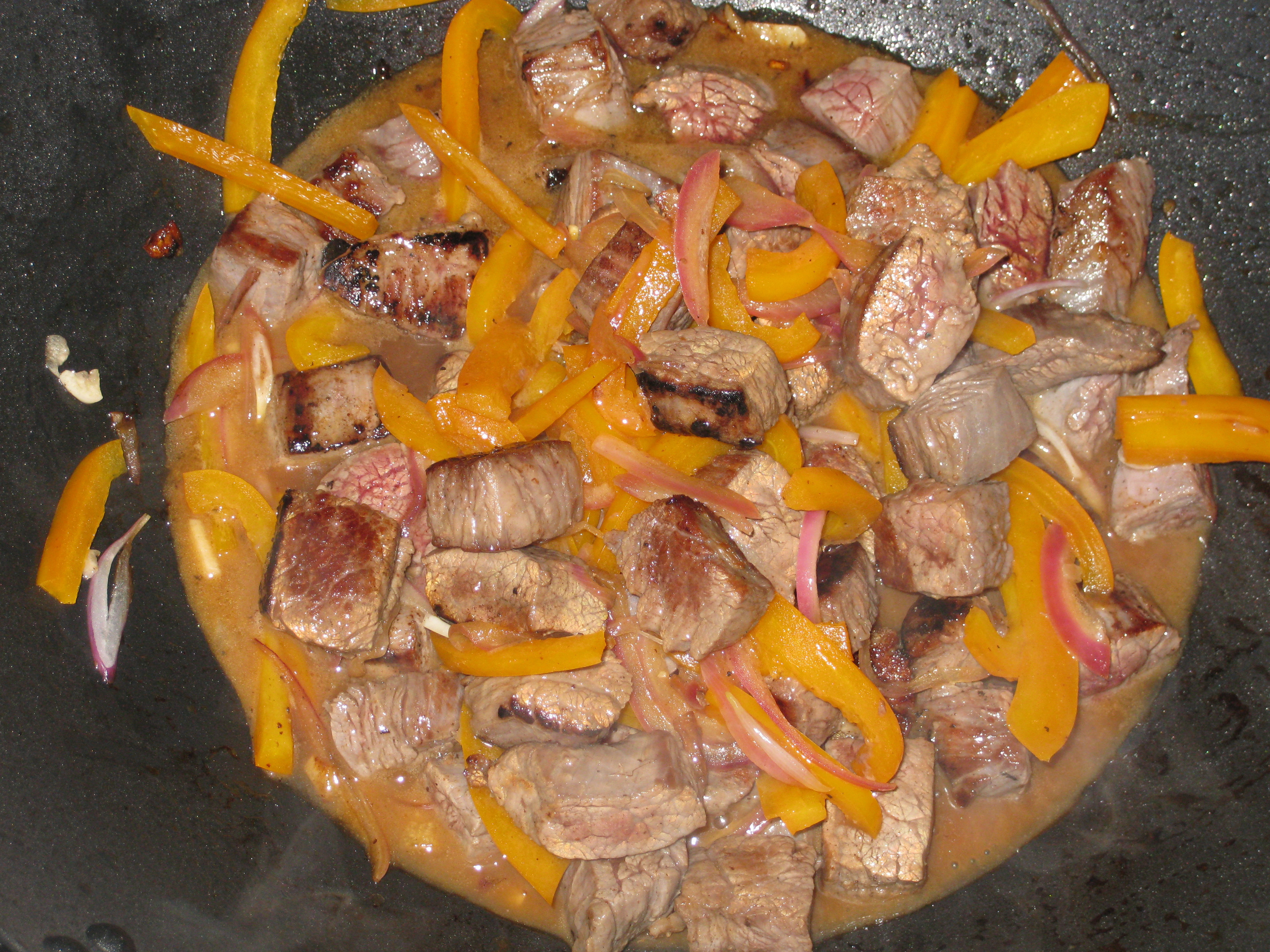
So nuts to this, I thought, I’m going to do it the way I am supposed to do it! I am going to crank the heat up on this sucker and get a good sear on my flank steak! And I am going to wear long sleeves just in case. In the end, it was initially nerve-wracking but when I saw the beautiful crust on the steak, I was emboldened. Yes, it spattered a bit but I lived to tell the tale and the meat came out perfectly: nice crunch on the outside, just past rare on the inside.

Note:  this recipe is not exactly as it shown in the NYT Cookbook. I adapted it to suit my tastes and to become a full meal by adding rice noodles and peppers. I also found their original recipe for the sauce too salty, so I added some sugar. Feel free to leave it out if you don’t want it.

Serves 2.

Ingredients

1 1/2 lb flank or skirt steak, cubed
2 garlic cloves, chopped
1 tb  sugar
1 ts salt
1/4 ts pepper
1 tb canola oil
4 tb corn or canola oil
3/4 c rice wine vinegar
3/4 c dry white wine
2 tb soy sauce
1 tb fish sauce
2 tb sugar
1/2 red onion, thinly sliced
1 sweet pepper, thinly sliced
1 1/2 scallions, sliced lengthwise
1 tb butter
1 lime, cut into wedges

Directions

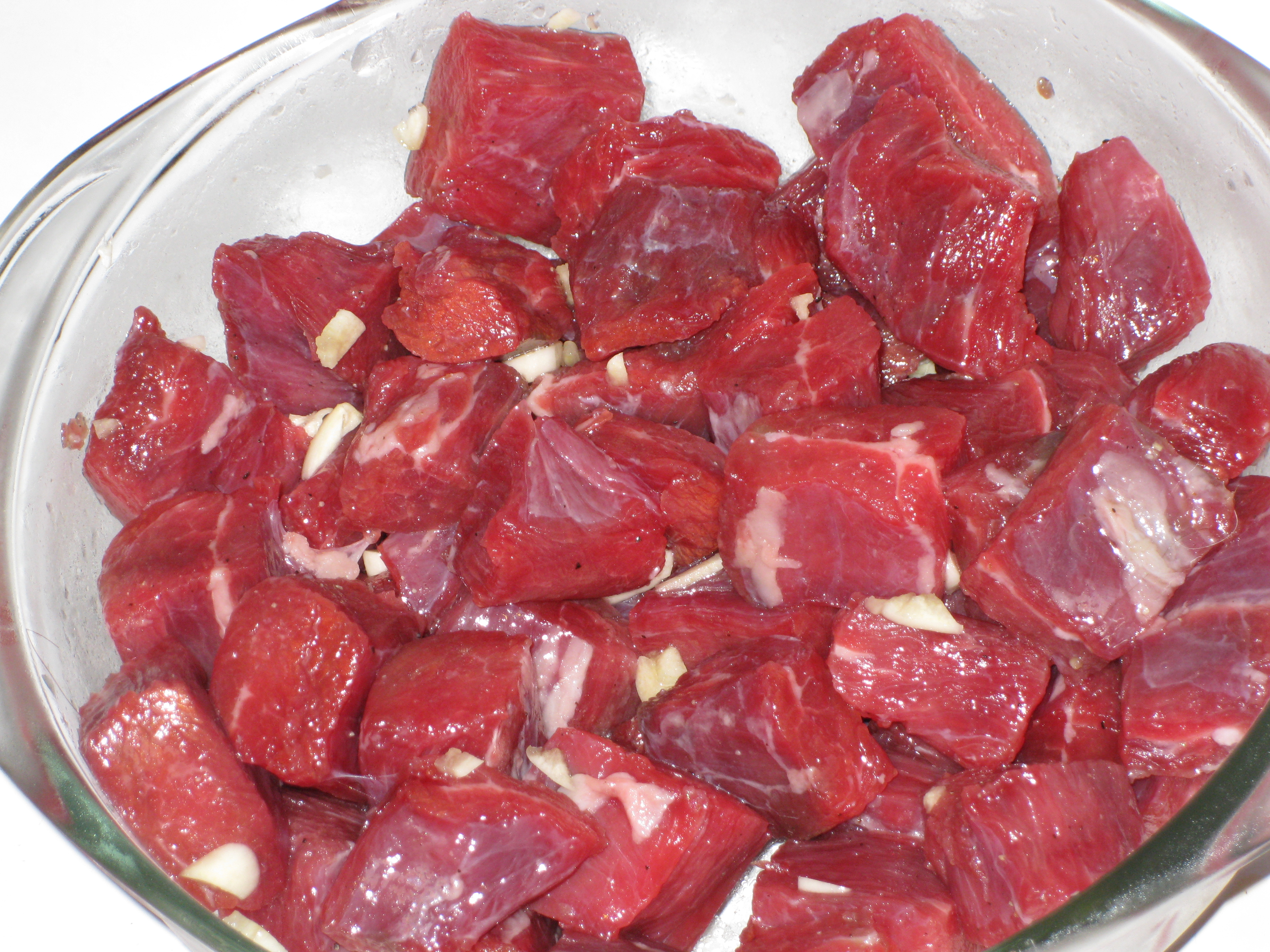
1. Toss the beef in a bowl with the salt, sugar, garlic and 1 tb canola oil. Marinate in the fridge for two hours.
2. Meanwhile, combine the rice wine vinegar, white wine, soy,  fish sauce and sugar. Taste and add salt and pepper as necessary.
3.  When you’re ready, divide the meat into two portions, and do the same with the peppers and onions. Pour 2tb oil into your wok and turn the heat to max. When your oil is smoking, add the meat in one even layer to the wok. Let it sit until a crust forms, then flip over to brown the other side.  (This whole process should take 5 minutes or less.)
4. Add half the onions and pepper. Stir and let cook for 1 minute.
5. Add half of your vinegar/wine mixture, shaking the pan if necessary to loosen the meat from the pan. Add half the butter and shake your wok until it has melted.
6. Remove everything from the pan and then repeat your process.
7. Serve with lime wedges over rice or rice noodles.

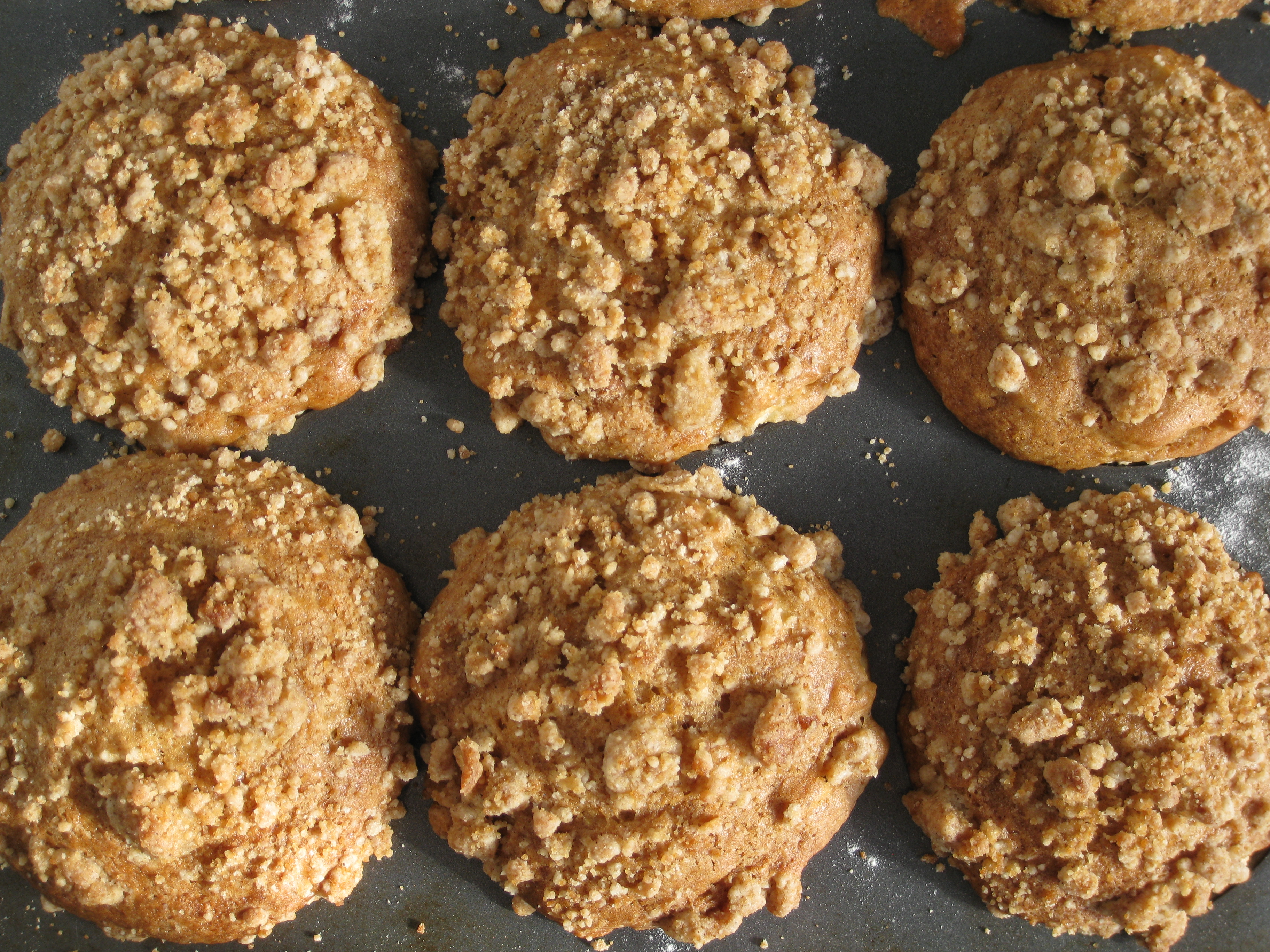
Cinnamon Apple Streusel Muffins

2 Jan

I love baking muffins. They’re hard to mess up (unless you’re Lucy Liu in Charlie’s Angels and making “Chinese Fighting Muffins”) and you can make a zillion different kinds.  The first time I made these fantastic muffins, it was for the Hot Biscuit’s annual birthday brunch a couple of years ago. I brought two batches over to her place and they were a big hit – so much so that few were left for the birthday girl herself to have later! I have been making them ever since and I have to fight the temptation to eat them all myself.

I have tinkered with the streusel topping ratios just a bit from the original, which can be found in the Bite Me cookbook. They suggest 1/4 cup of melted butter, but I tend to use a little bit more. I find the streusel can bit a bit dry and not form the crumbly texture desired with the 1/4 cup. I would suggest starting with 1/4 c ready to go but have a bit more on hand in case you need it.

Makes 12.

Ingredients

Batter

2 1/2 c all-purpose flour
1 ts baking soda
1/2 ts kosher salt
1/2 ts cinnamon
2 c peeled, diced Granny Smith apples
1 1/2 c brown sugar
1 c buttermilk
1/2 c vegetable oil
1 egg
1 ts vanilla

Topping

1/2 c brown sugar
1/2 c  all-purpose flour
1/4 ts cinnamon
1/4 c melted butter (plus a little extra, if needed)

Directions

1. Preheat your oven to 350F. Coat a muffin tin with cooking spray and then dust flour over the cups. Shake off any extra flour.
2. In a large bowl, combine the flour, baking soda, salt, cinnamon and apples. Toss gently.
3. In a medium bowl, whisk together the brown sugar, buttermilk, vegetable oil, egg and vanilla together.  Gently stir into the dry mix.
4. Spoon the batter into the muffin tin, diving equally.
5. Mix together the brown sugar, flour and cinnamon in a small bowl. Add the melted butter and stir with a fork until the mixture resembles coarse crumbs. Sprinkle on top of the muffin batter.
6. Bake for 23-25 minutes. (To test if they are ready, insert a toothpick or knife into the muffin. If it comes out clean, you’re good to go.)
7. Remove from the oven and let cool for 10 minutes before transferring to a wire rack. Or to your mouth.